
Buy an Apartment in Rawai, Phuket
Rawai is a calm area at the very south of Phuket where people live all year round. It includes Rawai beach with its longtail boats and pier, Nai Harn beach with its lake, Promthep Cape with the island's most famous sunset, and quiet streets with villas on the hills. There is a large expat community, a fishing village, a seafood market, schools and Muay Thai gyms — and none of Patong's nightlife. Below: where Rawai is on the map of Phuket, which beaches and sights are here, which apartments are for sale and how a foreigner can buy property in Rawai.
Listings in this district
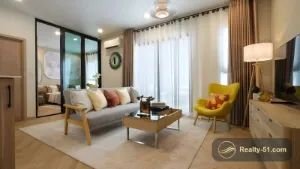 Pool View 1-Bedroom in The Title Cielo Rawai — 6,426,000 ฿ (≈ $191,000)
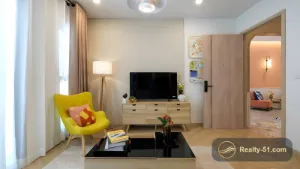 Garden View 1-Bedroom in The Title Cielo Rawai — 4,620,000 ฿ (≈ $137,000)
Prices by apartment type
- 1 bedroom — from 4,620,000 ฿ (≈ $137,000) (2)
Prices in US dollars are indicative and converted at the current rate — deals are settled in Thai baht. You can switch the currency in the header: USD, EUR, RUB, CNY.
Projects in this district
Why this district
Year-round living
Rawai is chosen by people who move to Phuket rather than come for two weeks: shops, schools, clinics and gyms work for residents, not only for tourists.
The best beaches of the south
Nai Harn beach with its lake, Ya Nui bay for snorkelling and Promthep Cape are next door. Rawai beach is about boats and restaurants; people swim at the neighbouring beaches.
Calmer in the rainy season
The southern shore is sheltered from the south-west monsoon, so the sea here is often calmer in summer than at the west-coast beaches.
Islands on the doorstep
From Rawai pier, boats reach Koh Bon, Coral Island, Koh Kaew and Koh Man in 15–30 minutes — for a day trip, lunch or snorkelling.
Rawai on the map of Phuket
Rawai is a tambon (sub-district) of Mueang Phuket district at the southern tip of the island. Chalong borders it to the north, Kata and Karon lie beyond the hills to the north-west, and the Andaman Sea surrounds the area to the south and east. Phuket's southernmost point, Promthep Cape, also belongs to Rawai.
The area has several parts. The eastern shore is Rawai beach with the pier, the fishing village and seafront restaurants. The western side is Nai Harn beach and lake. Between them are hills with villas, Promthep Cape and Ya Nui bay. Shops, cafés, gyms and services line the main road, Wiset Road.
Approximate distances by road:
- Phuket Town — about 17 km, 30 minutes
- Central Phuket — about 20 km, 35 minutes
- Patong — about 20 km, 35–45 minutes via Karon
- Kata — about 8 km, 15 minutes
- Chalong pier — about 7 km, 15 minutes
- Phuket International Airport — about 45–50 km, around an hour
The district page has a map with catalogue listings and distances from the projects to key places on the island.
Where is Rawai
Rawai is sometimes confused with other places in search. Rawai is not an island but an area on Phuket itself, reachable by road. This page is only about the Rawai area in Phuket.
How to get to Rawai
From Phuket airport the island's main highway runs through Thalang and Phuket Town, then the road continues through Chalong to Rawai. By taxi or transfer the trip takes about an hour, longer in traffic. From Patong it is easier to drive along the west coast through Karon and Kata, or through Chalong.
Public transport on Phuket is limited: songthaews — open truck-buses — run between Rawai and Phuket Town, but residents usually get around by scooter or car. Taxis are booked through the Grab and Bolt apps.
How Rawai differs from neighbouring areas
Rawai is an area for living. In Patong life revolves around tourists and nightclubs, in Kata and Karon around beach holidays, in Bang Tao around the Laguna resorts and new developments. Rawai is more like a small town by the sea: people come here for years, send their children to school, train and shop at the market.
The second difference is the beaches. Rawai beach itself is not for swimming, but Nai Harn and Ya Nui, often called among the best on the island, are 10 minutes away. The third is the sunsets: Promthep Cape and the viewpoints of the south draw people every evening.
Parts of the area: where to look for property
Rawai seafront
The eastern part by Rawai beach: the pier, fish market, seafood restaurants, cafés and shops. There are low-rise condominiums and small houses here, a few minutes' walk from the water. Convenient for those who want to live at the centre of the area's daily life.
Nai Harn
The western part with Nai Harn beach and lake. It is one of the most popular spots with expats: a running track around the lake, cafés, yoga studios and a beach where people swim almost all year. Property here means villas, townhouses and small condominiums.
The hills and Promthep Cape
The slopes between Rawai and Nai Harn and the road to Promthep Cape. Villas with sea and island views, quiet and less traffic. The view costs more, and you will need your own transport.
Inland
Streets north of Wiset Road towards Chalong. Property here is usually cheaper than by the sea, and the beaches are 5–10 minutes away by scooter. Suits living on a budget and families for whom a school and kindergarten matter more than the view.
Rawai beach
Rawai beach is a long strip on the eastern shore of south Phuket. It is a beach of fishermen and boatmen: longtail boats moor by the shore, the water is shallow, and at low tide the rocky bottom is exposed. People rarely swim here — they come for the view, a walk along the seafront, dinner at a restaurant by the water and a boat to the islands.
Still, the beach is lively and beautiful in its own way: palms along the shore, islands on the horizon, fishing boats in the morning and restaurant lights in the evening. For swimming, residents go to Nai Harn, Ya Nui or Friendship Beach — 5–10 minutes away.
Rawai beach: reviews
Reviews of Rawai beach praise the atmosphere, the views, fresh seafood and the convenient pier for island trips. The downsides mentioned are the shallow water, low tides and boats by the shore — it is not a beach for swimming. The advice from reviews is the same: live and dine in Rawai, swim at the neighbouring beaches of the south.
Nai Harn beach
Nai Harn is one of Phuket's best-loved beaches. Light sand, a bay between green hills, clear water in the dry season. Behind the beach is freshwater Nai Harn lake with a running and cycling path around it. In the rainy season the west coast gets waves and currents, so in summer watch the lifeguard flags.
Ya Nui bay and Friendship Beach
Ya Nui is a small bay on the road to Promthep Cape. There is good snorkelling by the rocks and the small island opposite, and you can rent a kayak. Friendship Beach on Rawai's eastern shore is known for kitesurfing: in the south-west wind season kiters come here from all over the island.
Promthep Cape and sunsets
Promthep Cape is the southernmost point of Phuket and the most famous sunset spot on the island. Every evening hundreds of people gather at the viewpoint by the lighthouse. Nearby is the windmill on the hill (Windmill Viewpoint) overlooking Koh Man and Nai Harn bay. Rawai residents drive here for no particular reason: the cape is minutes away.
Rawai market and seafood
The fish market by Rawai pier is one of the area's best-known places. Fishermen and traders sell the fresh catch, lobsters, prawns and shellfish, and the restaurants opposite cook what you buy for a small fee. Next to it is the village of the Urak Lawoi sea people, who have lived on this shore for centuries.
In the evenings the seafront becomes a row of seafood restaurants overlooking the water. For residents the market is an ordinary place to buy food; for visitors it is a reason to come to Rawai.
Islands near Rawai
From Rawai pier, a longtail boat or speedboat will take you to the nearest islands:
- Koh Bon — a small island with a bay for snorkelling, 15–20 minutes
- Coral Island (Koh Hey) — beaches and water activities, about 20–30 minutes
- Koh Kaew Yai and Koh Kaew Noi — quiet islands south of Promthep Cape
- Koh Man — a small island opposite the windmill by Nai Harn
Longer trips — to Racha and Phi Phi — usually start from Chalong pier, 15 minutes from Rawai.
Hotels in Rawai
Hotels in Rawai are mostly small: boutique resorts by the sea, guesthouses and villas on the hills. There are fewer large resorts than on the west coast. Neighbouring Nai Harn has well-known beach hotels. Many guests who come to a hotel for a week later return for a season — to a rented apartment or villa.
Weather in Rawai
From November to April Phuket has its dry season: sunshine, a calm sea and the most comfortable weather. From May to October comes the south-west monsoon season with showers, usually short, and waves on the western beaches.
Rawai, on the southern and eastern shore, is somewhat sheltered from the monsoon, so the sea at Rawai beach and around the islands is often calmer in summer than in Kata or Patong. The average temperature is about 27–32 °C all year.
What to see in Rawai and nearby
- Promthep Cape and the lighthouse
- the windmill viewpoint overlooking Koh Man
- Nai Harn beach and lake
- Wat Nai Harn temple by the lake
- Ya Nui bay
- the fish market and sea people's village by Rawai pier
- the Big Buddha on Nakkerd Hill — about 20 minutes
- Wat Chalong temple — about 15 minutes
- Koh Bon, Coral Island, Koh Kaew and Koh Man
Sport and Muay Thai
Rawai and neighbouring Chalong are the centre of Muay Thai on Phuket. The area has dozens of Muay Thai and MMA gyms where people come to train for months. Phuket Muay Thai and Southside MMA are near Rawai beach. Besides boxing there are fitness clubs, yoga studios around Nai Harn, tennis, climbing, kitesurfing at Friendship Beach and the running track around the lake.
Restaurants and cafés
The Rawai seafront has seafood restaurants by the water. Along Wiset Road and the roads to Nai Harn there are cafés, bakeries, European restaurants, bars with live music and Thai street food. Many places work for residents all year, not only in season.
Shops and everyday life
Rawai has everything for daily shopping: 7-Eleven stores on every corner, Tops and Lotus's supermarkets, local markets, pharmacies and hardware stores. For bigger purchases people go to Central Phuket or the shopping centres of Phuket Town — about 30–35 minutes.
Schools and kindergartens
Rawai and neighbouring Chalong have kindergartens and international schools, including Lighthouse International School, as well as language schools for adults such as Rawai Park. The island's large international schools are in Chalong, Phuket Town, Kathu and Thalang — 20–40 minutes away. Many families choose Rawai precisely for the mix of sea, schools and a calm life.
Healthcare
Rawai has clinics, dentists and pharmacies. The nearest large hospitals are in Chalong and Phuket Town, 20–30 minutes away. For living on the island, get health insurance straight away and know the address of the nearest hospital with an emergency department.
Transport in Rawai
Rawai residents get around by scooter or car, which can be rented monthly. Taxis are booked through Grab and Bolt. Songthaews run to Phuket Town. Much is within walking distance along the seafront and nearby streets, but it is easier to drive to Nai Harn and Ya Nui beaches.
Real estate in Rawai
What property is for sale
The Rawai market is low-rise. There are few high-rises, but plenty of 4–8-storey condominiums, pool villas and townhouses. Apartments are built for living and long-term rental: one- and two-bedroom layouts, often more spacious than resort studios. Villas stand in gated estates and on the hills between Rawai and Nai Harn.
Which projects are in the catalogue
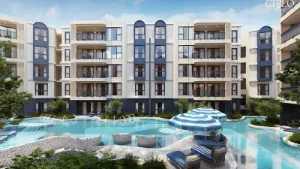
The catalogue currently includes The Title Cielo Rawai: a low-rise Amalfi Coast-style complex 250 m from Rawai beach, with lagoons in the courtyards and a rooftop terrace. The area catalogue is growing: current apartments, projects and prices are in the blocks above on this page.
What affects the price
- distance to the sea and to Nai Harn and Rawai beaches
- view of the sea, islands or mountains
- format: apartment, townhouse or villa
- stage: new development, completed building or resale
- ownership: foreign quota, Thai quota or long-term lease
- condition, furniture and floor
- the developer's reputation and building management
How a foreigner can buy an apartment in Rawai
A foreigner can buy an apartment freehold in a registered condominium if the building has free foreign quota — up to 49 % of the apartments' floor area. The purchase money is transferred from abroad to a bank in Thailand, and the bank issues a transfer certificate — it is needed to register ownership at the Land Department.
If there is no foreign quota, the apartment can be held on a long-term lease (leasehold) — usually 30 years with the right of renewal. Some resale apartments in Rawai are sold this way. We check which form suits a specific apartment before reservation.
How to buy a villa in Rawai
A foreigner cannot own land in Thailand. So a villa is usually structured like this: the land on a long-term lease, the house owned in the buyer's name. Other structures exist, but each should be checked with a lawyer before signing: taxes, inheritance and the ability to resell depend on it.
Apartment or villa
An apartment is easier to buy and maintain: foreign ownership, a management company, a shared pool and security. A villa gives more space, your own pool and garden, but needs upkeep and more complex paperwork. Both formats are popular in Rawai: apartments with those who live alone or as a couple and travel often, villas with families.
New development or completed property
A new development means a developer instalment plan and a new building, but you have to wait for completion. A completed property means you can move in straight away and see how the complex lives. Rawai has many completed low-rise projects, and some of their apartments are sold on the resale market — a fast way to move without waiting for construction.
What to check before buying
- the form of ownership and foreign quota availability
- land documents and the building permit
- the developer and its completed projects
- maintenance fees and the sinking fund
- how the management company works
- what is included in the fit-out and furniture
- for a resale — maintenance arrears and the transfer terms
- the distance to the beach by road, not as the crow flies
Renting in Rawai
Renting in Rawai is mostly long-term: for a season, six months or a year. Tenants are expats, families, athletes who come to train and remote workers. Short-term rentals exist too, but fewer than in Patong and Kata. For an owner this means steadier tenants and fewer changeovers, but without peak seasonal rates.
Living in Rawai: pros and cons
Pros
- an area for year-round living: shops, schools, clinics, gyms
- the best beaches of the south nearby — Nai Harn and Ya Nui
- Promthep Cape sunsets and island views
- a large expat community
- fresh seafood and the market by the pier
- a calmer sea in the rainy season
- low-rise buildings, no high-rises
Cons
- far from the airport — about an hour
- Rawai beach itself is not for swimming
- no Patong nightlife
- inconvenient without a scooter or car
- large shopping centres are 30 minutes away
Rawai or neighbouring areas
Rawai or Nai Harn
Nai Harn is formally part of Rawai. The difference is in the mood: Nai Harn has the beach and lake, quieter and more expensive; Rawai beach has more everyday life, the market and restaurants. Many people live on one side and drive to the other in 5 minutes.
Rawai or Chalong
Chalong is the neighbouring area to the north, closer to Phuket Town, with the pier for trips to the far islands and many Muay Thai gyms. Property in Chalong is often cheaper, but there is less sea and fewer beaches nearby. Rawai is chosen for the sea, Chalong for the budget and roads.
Rawai or Kata
Kata is a beach resort with hotels and tourists, a good swimming beach and waves for surfing in the rainy season. Rawai is quieter and more for living; Kata is for holidays and short-term rentals.
Rawai or Bang Tao
Bang Tao in the north-west has the Laguna resorts, Boat Avenue, many new developments and is closer to the airport. Rawai is the south: calmer, less dense and with more of a fishing-village atmosphere. Bang Tao is chosen for infrastructure and service, Rawai for living by the sea without resort bustle.
Seasons in Rawai
High season is November to April: sunshine, a flat sea and island trips every day. Low season is May to October: rain, wind, kitesurfers at Friendship Beach and fewer tourists. For Rawai residents both seasons are normal: the area does not empty out in summer like purely tourist places.
Cost of living in Rawai
The cost of living in Rawai depends on your habits. Thai food at markets and cafés is inexpensive; European restaurants and imported groceries in supermarkets cost noticeably more. The main expenses are housing, transport, school for children, health insurance and electricity for air conditioning. Many expats find Rawai more affordable to live in than Bang Tao or Kamala.
Owner's costs
Besides the property price, an owner pays:
- monthly building maintenance — at a rate per m²
- a one-off sinking fund contribution on purchase
- taxes and fees on ownership registration
- electricity, water and internet by meter
- property insurance — optional
- management and cleaning if the property is rented out
Exact rates depend on the complex — we check them for the specific apartment.
How the purchase works: step by step
- We define the goal: living, renting out or both, the budget and the format.
- We select apartments and villas in Rawai and neighbouring areas and send you a shortlist.
- We show the properties in person or by video call.
- We check the developer, documents, quota and costs.
- You reserve the apartment and sign the contract.
- You transfer payments from abroad according to the schedule.
- You register ownership or the lease at the Land Department.
- You get the keys, and we help with management and rentals.
Checklist: how to choose property in Rawai
- decide where you want to live: by Rawai beach, by Nai Harn, on the hills or inland
- check the road to a swimming beach, not just to the nearest shore
- see where the nearest school, supermarket and gym are
- decide whether you will have a scooter or car
- find out how the complex looks in the rainy season
- check the form of ownership and the quota
- add up all the running costs
- compare with neighbouring areas — Chalong and Kata
Rawai for different goals
For living
Rawai is one of the best areas of Phuket for permanent living: everything you need is nearby, an expat community, schools, sport and the sea. It suits those moving to the island for the long term.
For retirees
A calm pace, inexpensive markets, clinics, walks by Nai Harn lake and sunsets at Promthep Cape. Many retirees from Europe and Australia have lived in Rawai for years.
For investment
Investing in Rawai is first of all about long-term rental and the growth of land prices in the south of the island, not short-term letting to tourists. We calculate the yield for a specific apartment: entry price, costs and the real rental rate in the area.
Rawai with children
For families Rawai has kindergartens, international schools nearby, sports clubs, parks and Nai Harn lake. Swimming with children is easy at Nai Harn and Ya Nui in the dry season. The downside: large shopping centres and big hospitals are 20–30 minutes away.
Safety
Rawai is a calm residential area. The main risks are everyday ones: roads and scooters, strong currents on the western beaches in the rainy season, the sun and jellyfish in certain months. Complexes usually have 24-hour security and CCTV.
Sea views: what to look for
Sea views in Rawai face the eastern bay with its islands, Nai Harn or Promthep Cape. Before buying, check whether future construction next door could block the view, what the view is from your floor rather than the roof, and which side the sun is on: west-facing windows get sunsets, but also afternoon heat.
Villas on the hills: what to watch for
Villas on the Rawai hills have the best views, but there are nuances: steep roads, drainage in the rainy season, water pressure at height, access for cars and deliveries. Check the drainage, slope reinforcement and land documents, especially if the villa stands at the edge of the plot.
Renting out property in Rawai
You can rent out property in Rawai yourself, through an agency or through the complex's management company. Demand is mostly long-term: expats, families, athletes. We help find tenants, prepare the contract and manage the apartment if the owner lives in another country.
Selling property in Rawai
Resales in Rawai move more steadily than in purely tourist areas: buyers are interested in living, not only seasonal yield. Completed apartments with foreign quota, near the sea and with good building management sell faster.
Electricity, water and internet
Electricity and water are paid by meter; rates depend on the complex — in condominiums sometimes at the management company's rate. Fibre-optic internet is available in most buildings. In the rainy season there are occasional short power cuts, so villas often have backup systems.
How to choose a complex in Rawai
Rawai has few large projects, so the choice is usually between small complexes of 50–200 apartments. What to look at:
- who the developer is and which projects it has completed on Phuket
- how many apartments are in the building and how that affects the pool, parking and lifts
- whether there is parking for a car, not just a scooter
- how security and management are organised
- what is on the neighbouring plots — construction may start on an empty plot tomorrow
- how the building looks after several rainy seasons, if it is already completed
- how many apartments are let short-term — quietness depends on it
Rawai's low-rise complexes are usually cosier than resort giants: fewer neighbours, a calmer pool and an easier relationship with the management company.
How much property costs in Rawai
Prices in Rawai depend heavily on the location within the area. Apartments inland and towards Chalong are noticeably more affordable, by Rawai beach and Nai Harn more expensive, and sea-view villas on the hills are the top segment of the area. New developments are usually sold with instalments during construction, completed resale apartments with payment on transfer.
In the south of Phuket the price per square metre is on average lower than in Bang Tao, Surin and Kamala, and apartments in low-rise projects are often more spacious. Current «from» prices by bedrooms, the median per m² and rents are in the blocks at the top of this page; they update with the catalogue.
Documents and taxes on purchase
When buying an apartment in Thailand, registration takes place at the Land Department. You need a passport, the sale and purchase agreement, the bank certificate of the transfer from abroad (for foreign ownership) and documents from the condominium management confirming there are no arrears.
On registration, the transfer fee, stamp duty or specific business tax are paid, and the seller pays income tax on the sale. Who pays what is set out in the contract: developers have their own terms, and on the resale market costs are often split in half. Long-term leases have their own lease registration fee. We calculate the exact costs for a specific apartment before reservation.
Visas for living in Rawai
You can buy an apartment on any visa and even without living in Thailand, but the purchase itself does not give you a visa. To live in Rawai, foreigners usually get a retirement visa, a visa for remote workers and digital nomads, an education visa for Thai language or Muay Thai courses, a visa as the spouse of a Thai citizen, or the long-term Thailand Privilege programme. Which visa suits you depends on age, income and goals — we cover the options in detail on our blog.
Rawai for remote work
Remote workers have long loved Rawai: a calm pace, cafés with good internet, co-working spaces, gyms and the sea minutes away. For working from home, check the internet speed in the specific complex, backup power and how quiet it is around — buildings with many short-term tenants can be noisier. An apartment with a separate room for a study — for example the one-bedroom Plus format — is especially in demand here.
Pets in Rawai
Many Rawai residents live with dogs and cats. Condominium rules vary: some buildings do not allow pets, others allow them with limits on size and walking areas. Villas usually have no restrictions. If you are moving with a pet, check the building rules before buying or renting — they are almost impossible to change later.
Banks and money
Rawai has branches of major Thai banks and ATMs. To buy property, money is transferred from abroad to the developer's or seller's account, or to your own Thai account, with the purpose of the transfer stated — the certificate a foreigner needs to register ownership depends on it. It is easier for a foreigner to open a Thai bank account with a long-term visa; conditions depend on the bank and branch.
Managing an apartment if you do not live in Rawai
If the apartment is bought for the future or to rent out and the owner lives in another country, someone on the ground is needed: to show the apartment to tenants, collect rent, look after its condition, pay bills and handle everyday issues. This can be the complex's management company, an agency or a private manager. We help find tenants and set up management so the apartment does not stand empty or require your visits.
Renovation and furniture
New apartments in Rawai are handed over finished, with a kitchen and air conditioners, and furniture is often bought as a developer package. On the resale market apartments are sold fully or partly furnished. Furniture and appliances can be bought in the large stores of Phuket Town and Chalong, or made to order by local craftsmen. When buying a completed apartment, budget for a cosmetic refresh and replacing appliances after a few years of renting out.
Evenings and nightlife
There are no noisy clubs in Rawai, and for many this is the area's main advantage. An evening here means sunset at Promthep Cape, a seafood dinner on the seafront, bars with live music and cafés by Nai Harn. For nightlife residents go to Patong — about 40 minutes — and come back to the quiet.
Health, yoga and outdoor sport
Besides Muay Thai gyms, Rawai has many yoga studios, retreats and wellness centres, especially around Nai Harn. In the mornings residents run and cycle around the lake, swim at Nai Harn and hike to the viewpoints. For those moving to Phuket for a healthy lifestyle, Rawai is one of the most convenient areas on the island.
How the area is developing
The south of Phuket has long stopped being the outskirts: new low-rise projects, cafés, clinics and schools are opening in Rawai and Chalong, and the community of people living on the island permanently is growing. At the same time, buildings here stay low, and the hills and Promthep Cape keep the area's natural character. Buying property in Rawai, you buy a way of life first and square metres second.
The rainy season in Rawai
The rainy season on Phuket lasts roughly from May to October. Rain usually comes in short showers, more often in the afternoon and at night, with sunshine in between. On the western beaches — Nai Harn, Kata, Karon — waves rise and dangerous currents appear at this time; swim only where lifeguards allow it.
Rawai's eastern shore is sheltered from the south-west wind, so the sea at Rawai beach and around the islands often stays calm, and boats run almost every day. For living, the rainy season is a quieter and cheaper time: fewer tourists, emptier restaurants, lower rents.
Rawai month by month
- November–December: the dry season begins, the sea calms down, the first winter residents arrive
- January–February: the driest and clearest weather, peak season, the best sunsets at Promthep Cape
- March–April: the hottest months, a calm sea, a great time for islands and snorkelling
- May–June: the rainy season begins, fewer people, kiters appear at Friendship Beach
- July–August: wind and waves on the western beaches, calmer on the eastern shore
- September–October: the rainiest months, the area lives its normal residents' life
Long-term rental as a strategy
Those buying an apartment in Rawai as an investment should first of all count on long-term rental. Demand for it here is steady all year: expats, families with children at local schools, athletes on months-long training, remote workers. Such tenants move out less often, take better care of the apartment and do not need daily cleaning.
What increases long-term rental demand in Rawai:
- a separate bedroom or two bedrooms rather than a studio
- a workspace and good internet
- parking for a scooter and a car
- a pool and gym in the complex
- shops and cafés within walking distance
- permission to keep pets
Common buyer mistakes in Rawai
- choosing an apartment by the distance to the nearest shore without checking where you can swim
- buying a hillside villa without checking the road and drainage in the rainy season
- counting on short-term letting to tourists as in Patong
- not checking foreign quota availability before reservation
- not accounting for maintenance fees and the sinking fund
- buying a resale without checking the building's arrears
- not seeing the area in the evening and on a weekday
FAQ
Where is Rawai in Phuket?
Rawai is an area at the very south of Phuket, in Mueang Phuket district. Chalong borders it to the north, Kata and Nai Harn to the west, and the area includes Promthep Cape, the southernmost point of the island.
Can you swim at Rawai beach?
Rawai beach is shallow, with boats and low tides, so people rarely swim here. For swimming, residents go to Nai Harn, Ya Nui and Friendship Beach — 5–10 minutes away.
What are the reviews of the Rawai area?
Rawai is praised for its calm, year-round life, the expat community, the seafood market, the nearby best beaches of the south and the Promthep sunsets. The downsides mentioned are the drive to the airport and the fact that Rawai beach itself is not for swimming.
What to see in Rawai?
Promthep Cape and the lighthouse, the windmill viewpoint, Nai Harn beach and lake, Ya Nui bay, the fish market by the pier and the islands of Koh Bon, Coral Island, Koh Kaew and Koh Man.
How to get from the airport to Rawai?
By taxi or transfer — about an hour, about 45–50 km via Phuket Town and Chalong. Taxis are easy to book through Grab or Bolt.
How far is Rawai from Patong?
About 20 km, usually 35–45 minutes via Karon and Kata or via Chalong.
What is the weather like in Rawai?
November to April is the dry season with sunshine and a calm sea. May to October is the rainy season; the southern shore is sheltered from the monsoon, so the sea at Rawai is often calmer at this time than on the western beaches.
Where is the Rawai fish market?
By the pier on Rawai beach. Fishermen sell the fresh catch and seafood, and the restaurants opposite cook what you buy.
Where can you go by boat from Rawai?
From Rawai pier, boats go to Koh Bon, Coral Island (Koh Hey), Koh Kaew Yai, Koh Kaew Noi and Koh Man. Longer trips to Racha and Phi Phi start from Chalong pier.
Can a foreigner buy an apartment in Rawai?
Yes. A foreigner can buy an apartment freehold in a registered condominium within the foreign quota — up to 49 % of the apartments' floor area. If there is no quota, the apartment is held on a long-term lease. We check the quota before reservation.
Can a foreigner buy a villa in Rawai?
A foreigner cannot buy land, so a villa is usually structured as a long-term land lease with ownership of the house. We check the structure with a lawyer before signing.
How much does an apartment in Rawai cost?
The price depends on the distance to the sea, the view, the format, the stage and the form of ownership. Current «from» prices by bedrooms and the median per m² are in the blocks above on this page.
Rawai or Kata — which to choose?
Kata is a resort with a swimming beach and tourists, convenient for short-term rentals. Rawai is quieter and more for living: schools, the market, sport and an expat community.
Can you rent out property in Rawai?
Yes, demand is mostly long-term: expats, families and athletes rent for a season or longer. You can rent out yourself, through an agency or through the management company.
How does Realty 51 help buy property in Rawai?
We select apartments and villas for your budget and goals, show properties in person and by video call, check the developer, documents and quota, support the deal through registration and help with renting out.
Other districts of Phuket
| District | For sale | Price from | Median per m² | Rent from |
|---|---|---|---|---|
| Rawai | 2 | 4,620,000 ฿ | 143,000 ฿ | — |
| Kamala | 7 | 4,235,000 ฿ | 150,000 ฿ | — |
| Bang Tao | 11 | 3,345,000 ฿ | 143,000 ฿ | — |
| Nai Yang | 7 | 3,975,000 ฿ | 132,000 ฿ | — |
| Surin | 8 | 5,520,000 ฿ | 189,000 ฿ | — |